It was one of the finest moments of my career, but it didn’t exactly get off to a great start. At the Safety Pharmacology Society, I was invited to speak at the DSI Data Blast (think Safety Pharmacology meets WrestleMania). I introduced myself and explained that I was going to be talking about the Standard for the Exchange of Nonclinical Data. They booed. Actually booed. As anyone familiar with the Data Blast will know, it was a forum where booing wasn’t exactly discouraged, but still, this seemed more vehement than usual, and I swear I heard someone shout “No! We hate Standards!”. Actually, putting that in writing makes it sound far worse than it really was. In truth, it was more jovial than aggressive. I guess you needed to be there.
Still, the idea of ‘standards’ doesn’t exactly set the world alight. SEND is a data standard. A formal set of rules dictating how data are to be represented. Can you think of anything more dull, dry and less inspiring?
Why is it then, that this week I heard someone say, “SEND is almost a religion to some people, they get so passionate about it” and it was greeted with knowing smiles and affectionate nods. I thought “Yes, to some people it is, and you are addressing a few of us right now”.
In my first blog post, I admitted I was a total geek for SEND. That shows no signs of dissipating, and I know I’m not alone. It’s true, some people get really passionate about SEND. What, to some people would seem a dry, dull topic; can get some of us fully animated and soapbox preaching for hours.
For the uninitiated, it is a strange phenomenon to behold, but those of us up to our elbows in SEND really, really care about it. We will give chapter and verse on the correct population of a variable, how that variable is to be used and the implications of the data representation.
Yes, we like feeling good about knowing how helps FDA reviewers be far more efficient enabling them to spend more time evaluating drugs than manipulating PDFs. Yes, we get excited by the possibilities of SEND, the opportunities it brings for data mining, cross study analysis and Historical Control Data. Yes, we’ll get enthusiastic about the benefits of being able to exchange clear, accurate electronic data. But, more than that, we are completely obsessive about our standard itself. Yes, we believe that this is our standard and so we are completely zealous in our dedication to ensuring that our variables are used and never misused.
Of all the things we could be so emotionally invested in, who would have thought that our obsession would be the standardization of the exchange of nonclinical data?
I started this post recalling the story of the most fervent display of resistance to SEND that I’ve ever witnessed. I fully accept that opinion, as I’m sure that there’ll be some readers of this blog with that opinion. Yet, I’m also certain that there’ll be readers who can fully relate to my efforts to capture in words, just how energized we can get about SEND.
Till next time
Marc
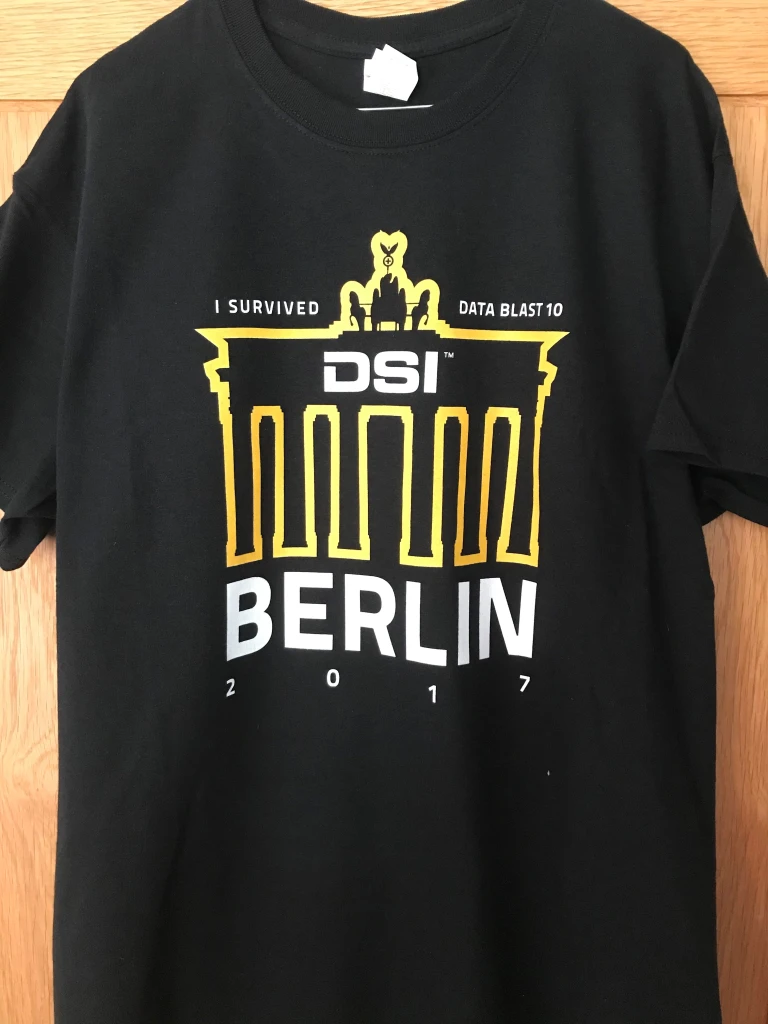
Proudly, I still have the T-shirt from the wonderful Data Blast!